
How to make the most of winter riding: tips & scheduling for riders
Winter can be a tricky season for riders: cold, rain, shorter days, uncertain or slippery footing… and staying motivated isn’t always easy when your horse is more lively or the weather makes riding less enjoyable. However, with proper organization and a few simple tips, it’s possible to keep progressing and fully enjoy your riding.
Here are our recommendations to navigate winter safely and effectively, whatever your level.
Table des matières
1. Prepare Your Horse for Winter
Your horse’s well-being is essential to get through winter without stress or injuries.
Proper Nutrition
In winter, horses expend more energy to maintain body temperature. Fiber is crucial: prioritize high-quality hay and adjust the ration according to your horse’s workload and condition. For more active horses or those returning to intensive work, energy supplements such as flax oil or oats can be considered, always with veterinary advice. Thoughtful winter nutrition ensures your horse is healthy and ready for spring.
Health Check
Make sure your horse is up to date on vaccinations, deworming, and dental care. Hooves require careful attention: cold and wet conditions increase the risk of laminitis and cracks. Monitor joints closely, especially if your horse is working on slippery footing.
Appropriate Equipment
Waterproof blankets, fleece, quarter sheets, gloves, winter socks, hats… investing in quality gear protects both you and your horse from cold and moisture. A well-dressed, warm rider is more confident and comfortable during sessions.
Clipping
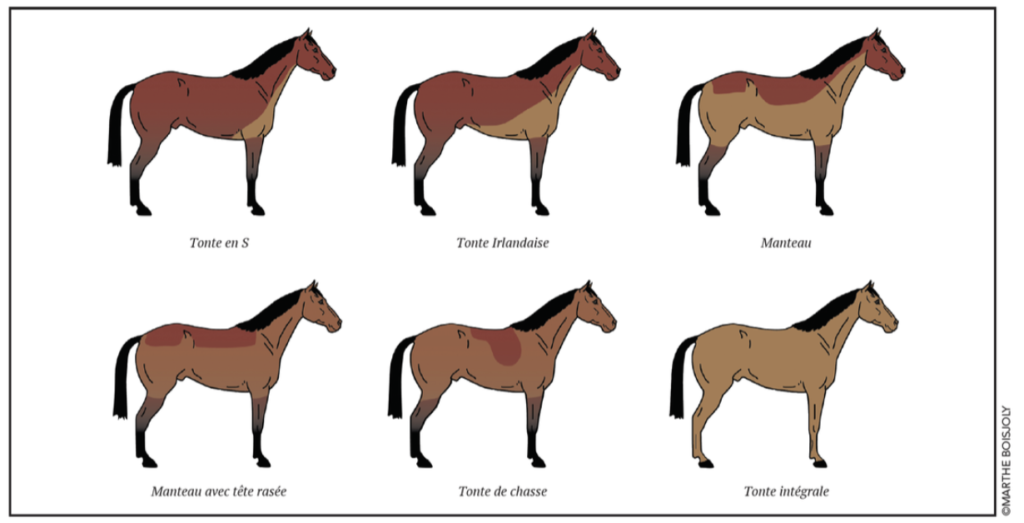
Clipping a horse in winter affects how they regulate temperature, making blanket management essential: your horse should neither be cold nor overheated. For horses that work lightly, it’s often better not to clip and simply use a waterproof or drying blanket as needed. For leisure horses, partial clipping is a good compromise, while full clipping is usually reserved for sport horses.
2. Schedule your sessions
Winter is a great time to review your organization and adapt your riding sessions.
Create a realistic schedule
With shorter days, set fixed time slots for training. Prioritize short but regular sessions over long, irregular ones.
Related content
https://blog.equisense.com/comment-creer-un-programme-dentrainement-personnalise-pour-votre-cheval/
Adapt sessions
On rainy or frozen days, favor indoor arenas, longeing, or groundwork. For outdoor rides, choose the brightest and safest moments of the day. Alternating mounted work and groundwork keeps your horse active without overloading them.
Related content
https://blog.equisense.com/lhiver-5-conseils-pour-progresser-malgre-les-defis-de-la-saison/
Include rest
Rest is crucial: horses expend extra energy staying warm. Adequate recovery limits injury risk and stress.
3. Stay motivated despite cold and rain
Keeping motivation high in winter can be challenging, but a few simple strategies make a difference.
Set clear goals
Define specific, achievable goals: preparing for a competition date, improving a technical element, or strengthening the bond with your horse. Tracking progress with a tool like the Motion One sensor lets you visualize improvements and stay motivated.
Vary your exercises
Alternate groundwork, longeing, outdoor rides, and mounted sessions. Variety keeps your horse engaged and preserves your motivation. Include frequent transitions within and between gaits to improve balance and focus. Work on changes of direction, figure eights, serpentines, bend variations, to mobilize shoulders, back, and hind engagement. For horses with sensitive backs, start with a short canter: the undulating motion warms the topline and makes the following trot more comfortable.
Create a comfortable environment
Wear warm, appropriate clothing, quality gloves, and plan a hot drink after your session. Even small details make training more enjoyable.

Available on the app
https://linktr.ee/equisense
4. Managing your horse’s behavior in winter
Some horses become livelier or “hotter” during winter, often due to accumulated energy and weather conditions.
Understand the source of behavior
Several factors can affect a horse’s behavior in winter. Cold can make horses more reactive as their bodies produce extra heat. Footing also plays a role: slippery, frozen, or uneven ground can make them cautious, tense, or sometimes abrupt. Limited turnout or higher energy expenditure in cold weather can also influence behavior. Understanding these factors helps you adapt your approach and anticipate winter reactions.
Techniques to channel energy
Work on transitions, stops, and changes of direction to help your horse stay focused. Longeing and groundwork before riding are also effective to channel energy without overloading the horse.
Safety tips
Always check the footing and equip both horse and rider to minimize injury or fall risk. Ride in an arena if possible, during daylight, and with someone nearby. These precautions ensure safety during winter sessions.
5. Boost Progress with the Winter Performance Program
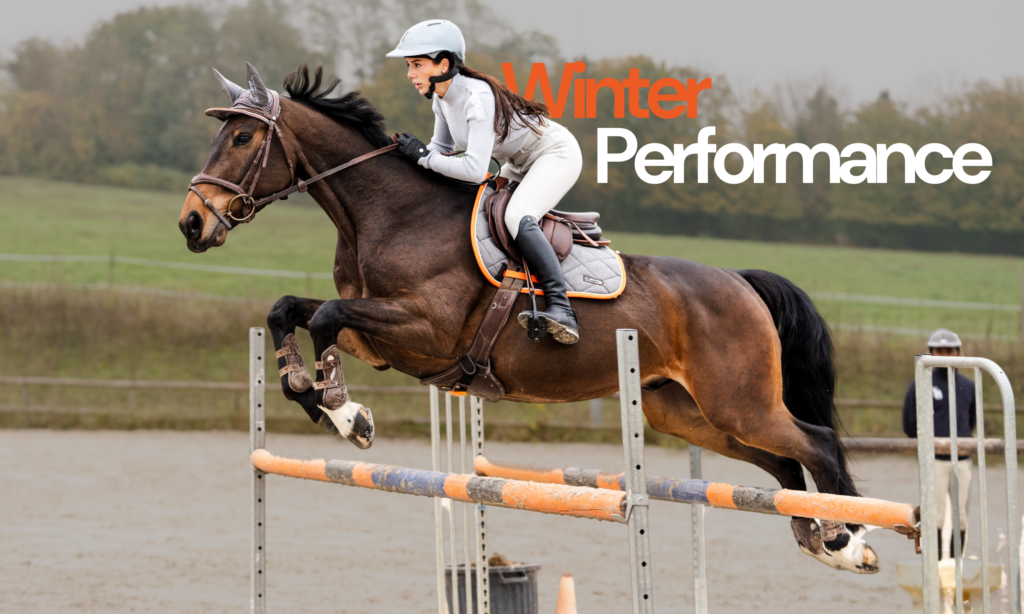
Winter is the perfect time to implement a structured, progressive plan. The Winter Performance Program, co-designed by Helena and Swann, offers full support for riders:
- Sessions adapted to each level and goal
- Technical and physical exercises to maintain fitness despite the cold
- Practical tips to optimize training, recovery, and motivation
This program is ideal to make the most of the winter months, stay motivated, and keep progressing even when outdoor conditions are challenging.
Winter training program
https://equisense.com/collections/programmes-dentrainement/products/le-programme-winter-performance
Conclusion
Winter is not a season to neglect in equestrian practice. With good organization, adapted sessions, clear goals, and a few practical tips, you can continue to progress while taking care of your horse. Use this time to strengthen foundations and discover new ways to work together, even in cold or wet conditions.
And to track progress and stay motivated, remember that tools like the Equisense app can support you every session, analyzing your horse’s work and helping you optimize performance.